
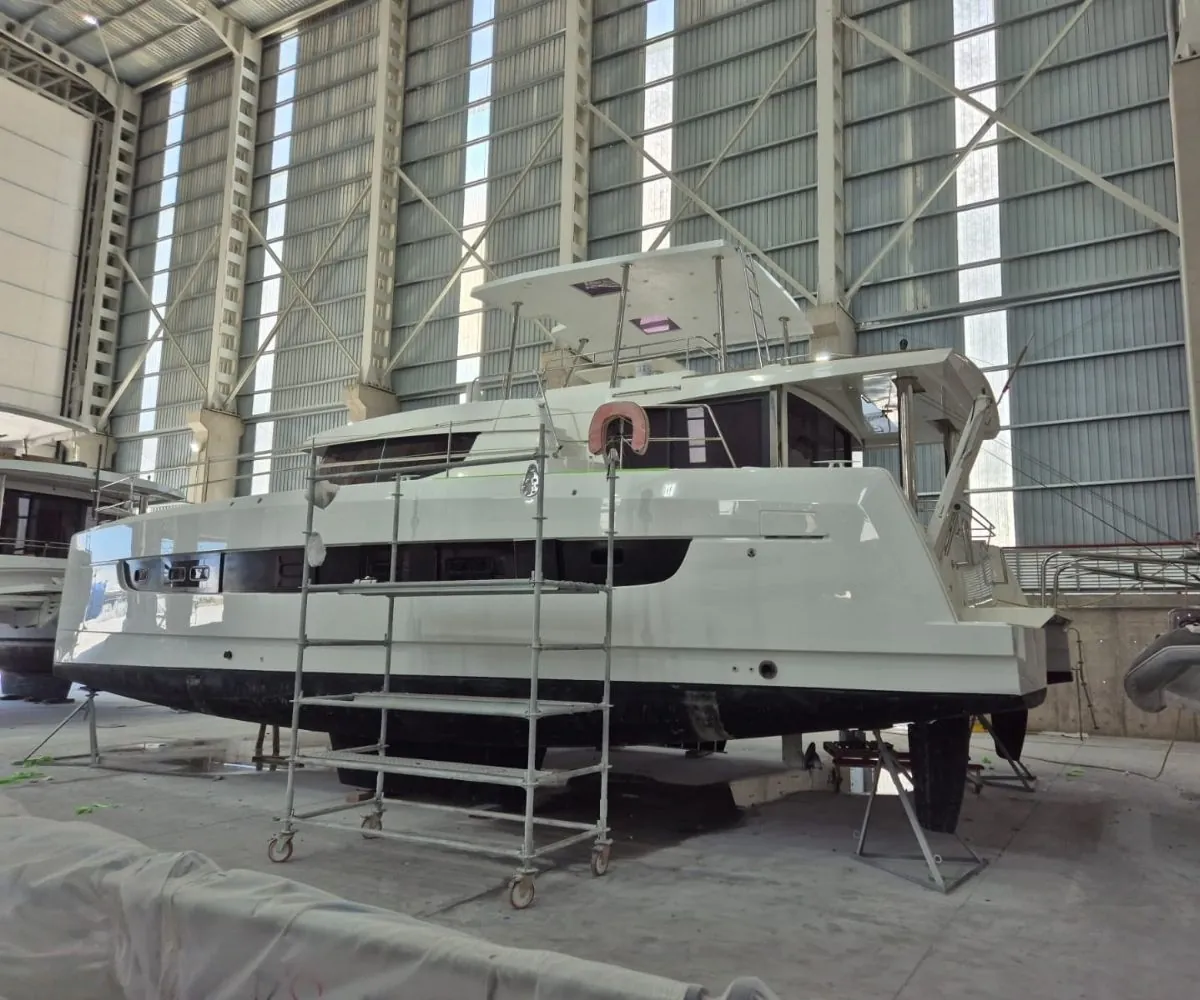
The list below summarises the main points to check before making a purchase decision. You do not need to check everything yourself; however, knowing what to look for makes your job easier when talking to the seller and requesting an inspection of the boat.
While looking at listings
First, clarify your needs: how many people will use the boat, how often and in which region; will it be a motor yacht or a sailing yacht? When setting the budget, add the share for mooring, insurance, annual maintenance and potential repairs alongside the purchase price.
Platforms such as Harbour Look, which bring together boat listings for sale and rent, make it easier to compare similar boats. The information in the listing is sufficient for an initial screening; the actual decision should be made after the boat has been examined in person.
Hull bottom and hull
The condition of the hull is best seen when the boat is on land. If possible, ask for the boat to be hauled out and check the following:
- Cracks, bubbles and impact marks in the gelcoat; especially in the bow section, on the topsides and around the mooring points.
- Bubbles on the hull bottom that could be signs of osmosis. These should be evaluated with a moisture meter, not by eye.
- The condition of the antifouling and when it was last applied.
- Play and corrosion in the propeller shaft, propeller, saildrive and rudder connections.
- Seawater valves and other openings in the hull.
Engine and mechanics
- Engine hours and maintenance records: dates of oil, filter, impeller and belt changes.
- Cold start: the colour of the smoke, sound and vibration when the engine first starts.
- Traces of water in the oil or oil in the coolant.
- Sea trial: RPM and speed values, engine temperature, transmission shifts.
- Leaks in systems such as hydraulic helm, platform and trim tabs.
Electrical, plumbing and equipment
- Battery bank, charging system and shore power connection.
- Joints, oxidation and burn marks in the cable wiring.
- Operation of fresh water, waste water and bilge pumps.
- Equipment such as navigation electronics, windlass and generator should be tested by running each one individually.
Documents and records
Check that the seller's name, the boat's dimensions and the engine information on the boat's license and registration match the reality. Check whether there is any lien, seizure or debt record on the boat before the sale.
Insurance and marina
As soon as the sale is completed, the boat becomes your responsibility. Get your insurance done before transporting the boat, launching it, or mooring it in a marina. Marinas may request an insurance policy for a mooring contract; ask in advance what coverage is required.
You can get and compare quotes from multiple insurance companies via Torun Sigorta for boat insurance and marina entry insurance.
An independent eye
No matter how well-intentioned the seller is, having the boat inspected by an independent team before purchasing is the healthiest way. For your questions regarding the hull bottom, gelcoat, mechanics, electrical or plumbing, you can write to the Request Assistant or call us.